
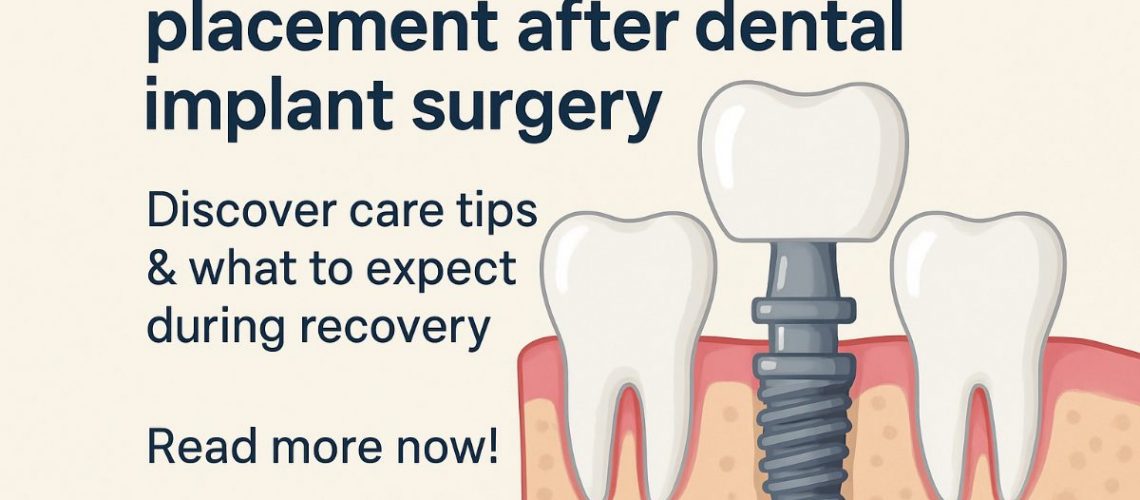
An abutment is the small connector placed after oral surgery that links the implant post to your new tooth or denture. This post explains what an abutment does, what to expect during the first days after surgery, how to care for the abutment and implant, and next steps for anyone getting a dental implant in Greensburg or a dental implant in Monroeville.
Whether you need a single crown or a full-arch restoration, knowing the timeline, common symptoms, and when to call for help will make recovery smoother and more predictable.
What Is An Abutment And How It Fits With A Dental Implant In Greensburg
An abutment is the piece that connects the titanium implant post (placed into the jaw) to the visible crown or denture. Think of the implant as the root, the abutment as the connector, and the crown or prosthesis as the tooth you see. For a dental implant in Greensburg, the abutment ensures a strong, stable connection and proper bite alignment.
Abutment types and materials:
- Stock vs. Custom: Stock abutments are prefabricated and often used for straightforward cases. Custom abutments are made to match your anatomy and give a better fit and appearance for complex cases or angled implants.
- Materials: Titanium is common and strong. Zirconia is tooth-colored and used where appearance matters. Your surgeon will recommend the best type based on location and restoration.
What To Expect Right After Oral Surgery (First 24–72 Hours)
Pain, Swelling, And Bleeding
Some pain, swelling, and light bleeding are normal after abutment placement. Pain is usually mild to moderate and controlled with prescribed or over-the-counter medications. Swelling often peaks about 48 hours after surgery and then slowly improves.
To manage symptoms:
- Use ice packs on the cheek for the first 24 hours (20 minutes on, 20 minutes off).
- Keep your head elevated and avoid bending over or heavy lifting.
- Follow instructions for any prescribed pain medicine and avoid NSAIDs if your surgeon advises otherwise.
Anesthesia And Immediate Recovery
If you had IV sedation or general anesthesia, you may feel groggy for several hours. Dr. McCloy oversees oral surgery and wisdom-teeth care and explains that grogginess is normal; plan on a responsible adult driving you home and staying with you for the first night if needed.
When To Call Your Surgeon
Contact your surgeon right away for:
- Uncontrolled or heavy bleeding
- Fever over 101°F or chills
- Severe pain not relieved by medication
- Signs of infection (increasing redness, pus, or swelling that worsens)
- Any mobility of the implant or abutment
Daily Care For Your Abutment And Dental Implant
Good home care helps healing and long-term success for a dental implant. Clean gently around the abutment site and follow your surgeon’s schedule for resuming normal brushing and flossing.
- Brush with a soft-bristled brush and avoid direct force on the surgical site for the first few days.
- Use interdental brushes to clean between teeth and around abutments once your surgeon clears you.
- Use an antimicrobial rinse as prescribed to lower bacteria around the implant.
- Avoid hard, crunchy, or sticky foods for the first 1–2 weeks; stick to soft foods and progress as comfort allows.
- Take antibiotics and pain meds exactly as prescribed and attend scheduled follow-ups.
Healing Timeline And What Comes Next For A Dental Implant In Monroeville
After abutment placement, the implant goes through osseointegration—bone growing tightly around the implant. This can take several weeks to several months depending on the site, bone quality, and whether immediate loading is used.
Differences by restoration:
- Single-tooth implant: Often delayed loading — crown placed after osseointegration.
- Implant-supported denture: May allow earlier function with temporary attachments, final prosthesis after healing.
- Full mouth dental implant (All-on-4): Often uses immediate loading so you get a fixed provisional the same day, with final prosthesis after healing.
Watch for normal healing signs (gradual pain decrease, reduced swelling) versus complications (increasing pain, loose implant, or persistent draining). For a dental implant in Monroeville, keep all follow-up appointments so your team can confirm proper healing.
Full-Arch And Full Mouth Dental Implant Care (What's Unique)
Full-arch and full mouth dental implant cases require more ongoing maintenance. Cleaning under and around a fixed arch or implant-supported denture takes special tools and technique.
- Expect scheduled maintenance visits for tightening, adjustments, and professional cleaning.
- All-on-4 or other full-arch designs restore function quickly, but long-term care is critical to avoid complications.
Advanced Technologies That Improve Outcomes For Dental Implant Patients
Modern tools make implant care safer and more predictable. CT-guided planning and digital dentistry let your surgeon virtually plan implant position for better fit and fewer surprises. Zygomatic implants can solve severe bone loss in complex cases. Precise anesthesia options, including IV sedation, make abutment and implant procedures comfortable.
Dr. Halusic leads implant planning and complex AOX cases and uses these technologies to improve accuracy and outcomes for patients seeking a dental implant in Greensburg or Monroeville.
Choosing Your Surgeon And Why Patients Trust New Smile Now
When selecting a surgeon, ask about experience with implants, CT-guided planning, anesthesia options, and full-arch cases. New Smile Now offers CT-guided planning, IV sedation, and full-arch implant solutions in Greensburg and Monroeville.
Team highlights:
- Dr. Edward Halusic — lead for complex implant and AOX planning and placement.
- Dr. Ryan McCloy — oral surgery and wisdom-teeth care, expert with anesthesia recovery.
- Dr. Christian Moore — oral surgery and implant procedures.
- Dr. Troy Eans — prosthodontist who restores AOX and full-arch cases.
Questions to bring to your consult: expected timeline, implant and abutment types, anesthesia plan, immediate vs. delayed loading, and typical recovery steps.
Closing: Next Steps After Abutment Placement
Key care steps: rest, control swelling, follow cleaning instructions, take meds as directed, and keep follow-up visits. Call your surgeon for bleeding, fever, severe pain, or any loose parts. To schedule a follow-up or consultation for a dental implant in Greensburg or a dental implant in Monroeville, contact New Smile Now to discuss options and timing for your restoration.