
If you have a dental emergency while traveling, call a local emergency dentist or oral surgeon right away, explain your symptoms, and ask whether you need an extraction now or a temporary fix that gets you home safely. Follow every aftercare instruction, and see your own dentist or oral surgeon as soon as you return.
The holidays are busy enough without a toothache derailing your plans. Whether you’re visiting family across the country or heading home to western Pennsylvania, a cracked, infected, or painful tooth can strike at the worst possible moment. Here’s how to handle it calmly and protect your health until you’re back home.
What Counts as a Dental Emergency While Traveling?
A dental emergency is any problem that causes severe pain, swelling, bleeding, or infection, or that puts a tooth at risk of being lost. Common examples include:
- A severe toothache that over-the-counter pain relievers don’t control
- Swelling in your gums, jaw, or face
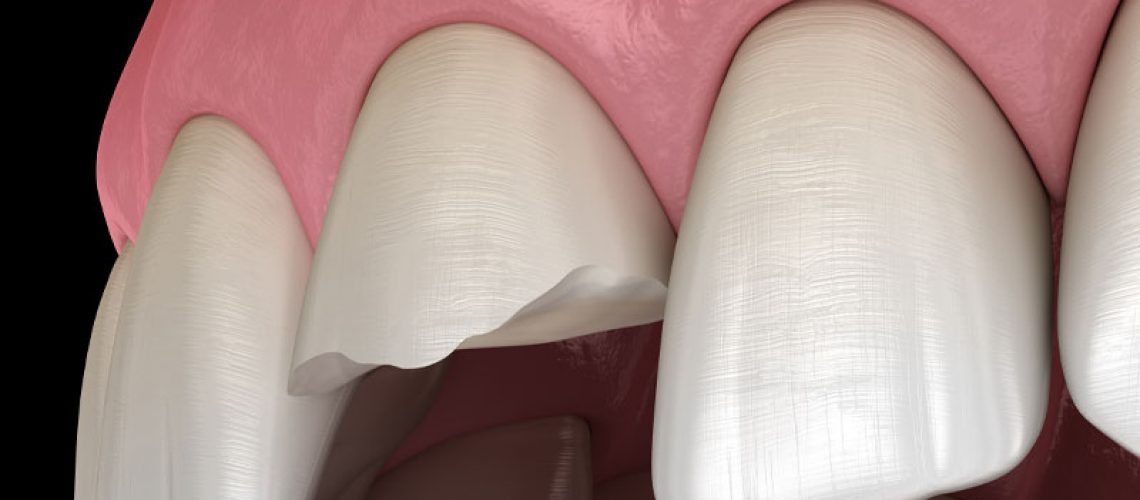
- A cracked or broken tooth
- A tooth that has been knocked out or loosened
- An abscess, which may show up as a painful bump on the gums or a bad taste
- A painful, swollen wisdom tooth
Go to the nearest emergency room or call 911 if you have swelling that spreads toward your eye or neck, trouble breathing or swallowing, uncontrolled bleeding, or a high fever.
What Should I Do First If My Tooth Hurts While I’m Away?
Start with simple steps to manage the pain while you look for care:
- Rinse gently with warm salt water
- Take an over-the-counter pain reliever as directed on the label
- Apply a cold compress to your cheek for 15 minutes at a time
- Avoid chewing on the painful side and skip very hot, cold, or sugary foods
If the pain or swelling doesn’t improve within a few hours, or it keeps getting worse, it’s time to find professional help.
How Do I Find an Emergency Dentist in an Unfamiliar City?
Many dental offices set aside time for urgent visits and are happy to treat out-of-town patients. To find care quickly:
- Search for “emergency dentist” or “oral surgeon near me” and call the office directly
- Ask your own dentist’s office for a referral, since many have after-hours instructions
- Check with your dental insurance for in-network offices in the area
- If it’s late at night or a holiday, an urgent care center or ER can help manage pain and infection until a dentist is available
When you call, describe your symptoms clearly and mention any medications you take or health conditions you have.
Do I Need an Extraction, or Can It Wait Until I’m Home?
It depends on the problem. A dentist away from home may recommend one of three paths:
- Treat it now. A badly infected or broken tooth may need to be removed or treated with a root canal right away.
- Stabilize it. A temporary filling, antibiotics, or pain management can sometimes hold you over until you return.
- Refer you. Complex cases, such as an impacted wisdom tooth, may be best handled by an oral surgeon.
Ask the dentist to explain the pros and cons of each option. If the tooth can be saved, a temporary solution may let you get home and make a decision with a provider you trust.
How Should I Care for an Extraction Site While Traveling?
If you do have a tooth removed, careful aftercare helps you avoid complications like dry socket:
- Bite gently on gauze to control bleeding for the first hour
- Don’t use straws, spit forcefully, or smoke for several days
- Eat soft, cool foods and stay hydrated
- Avoid alcohol, especially if you’re taking pain medication
- Rest and keep your head elevated, especially during the first night
- Plan around flights, long drives, and heavy lifting during the first day or two when possible
Call the treating office if you notice increasing pain after the third day, a foul taste, fever, or bleeding that won’t stop. Learn more about tooth extractions and what normal healing looks like.
What Should I Do When I Get Home?
Book a follow-up visit as soon as you return. Your local dentist or oral surgeon can confirm you’re healing well, check for infection, and plan any next steps. If a tooth was removed, it’s a good time to talk about replacing it. Leaving a gap can let neighboring teeth shift and the jawbone shrink over time, and dental implants are the most natural, long-lasting replacement.
How Can I Prevent a Dental Emergency on Vacation?
- Schedule a checkup before a long trip, especially if a tooth has been bothering you
- Have painful or impacted wisdom teeth evaluated before you travel
- Pack a small kit with floss, pain relievers, gauze, and your dentist’s phone number
- Wear a mouthguard for sports and avoid chewing ice or hard candy
Frequently Asked Questions
Will a dentist treat me if I’m from out of town? Yes, many offices see visiting patients for emergencies. Call ahead and explain that you’re traveling.
Can I fly after a tooth extraction? Most people can fly within a day or two after a simple extraction, but ask the treating dentist, especially after surgical extractions.
Does travel insurance cover dental emergencies? Some travel insurance plans include emergency dental care. Check your policy before you travel.
Emergency Oral Surgery Care in Western Pennsylvania
If you’re home for the holidays in the Pittsburgh area, or just returned from a trip with a tooth that needs attention, New Smile Now is here to help. Our oral surgeons provide extractions, wisdom tooth removal, dental implants, and IV sedation for comfortable care.
No one wants to make an emergency trip to the dentist while traveling, but there are times when it may be necessary. If you need emergency dental services while traveling, our doctors, Dr. Edward Halusic and Dr. , would love to serve you as soon as possible! Contact our office in Monroeville, PA to schedule a consultation right away!