
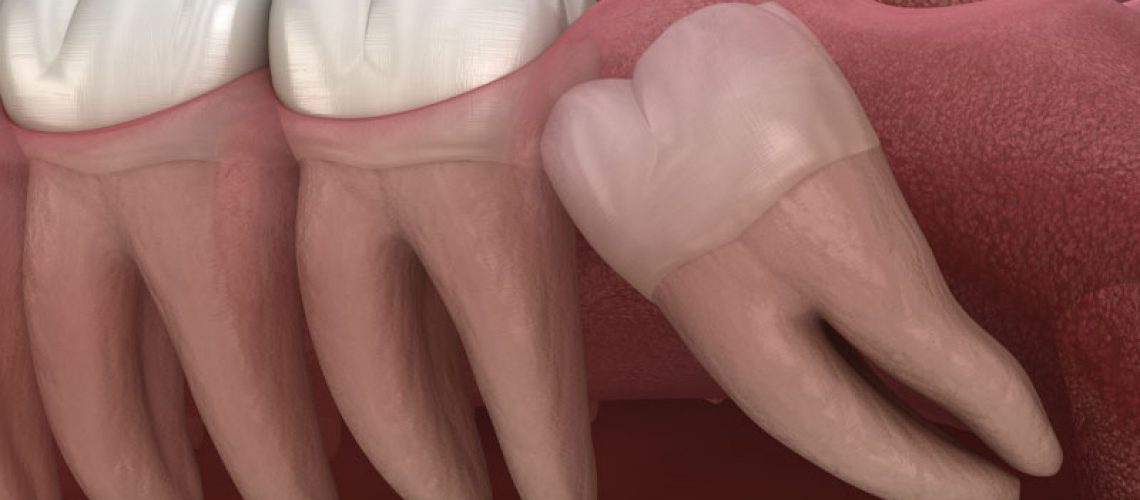
Not every wisdom tooth needs to come out, but you should have them checked by an oral surgeon as they start coming in. Many mouths don’t have enough room for them, which can lead to impaction, infection, crowding, and damage to nearby teeth. An X-ray exam shows whether your wisdom teeth can erupt normally or should be removed.
Wisdom teeth are your third and final set of molars. They usually start to come in during the late teens or early twenties, though timing varies from person to person. For some people, they erupt without any trouble. For many others, they cause pain, pressure, and problems that are easier to prevent than to fix.
What Are the Signs My Wisdom Teeth Are Coming In?
Common signs include:
- Pressure or a dull ache at the very back of your mouth
- Tender, swollen, or red gums behind your last molars
- Jaw soreness or stiffness
- Headaches or earaches on one side
- A bad taste or bad breath near the back teeth
- A small piece of tooth breaking through the gum
Some wisdom teeth cause no symptoms at all, even when they’re developing problems below the gumline. That’s why an X-ray evaluation matters.
Is It Normal for Wisdom Teeth to Hurt?
Some mild discomfort is common as a tooth pushes through the gums. Pain that is severe, lasts more than a few days, or comes with swelling, fever, or a bad taste is not normal. These can be signs of infection or impaction and should be checked promptly.
Why Do Wisdom Teeth Cause Problems?
The main reason is space. Most jaws simply don’t have room for four extra molars alongside the rest of the teeth. When there isn’t enough room, wisdom teeth can:
- Become impacted. The tooth gets stuck below the gum or bone and can’t erupt.
- Grow in at an angle. Teeth may tilt forward, backward, or even sideways and push against the molar next to them.
- Erupt partially. A tooth that only breaks through part of the way leaves a flap of gum where food and bacteria get trapped.
- Cause infection. Trapped bacteria can lead to painful gum infections called pericoronitis.
- Damage neighboring teeth. Pressure and trapped plaque can cause decay or root damage in the second molar.
Can Wisdom Teeth Affect Braces or Clear Aligners?
Yes. Wisdom teeth can complicate orthodontic treatment by limiting space at the back of the mouth. In some cases, removing them creates room so the remaining teeth can be moved into place with braces or clear aligners. If you’re planning orthodontic treatment, ask your orthodontist whether your wisdom teeth should be evaluated first.
When Should I See an Oral Surgeon About My Wisdom Teeth?
You should schedule an evaluation if:
- You feel pressure, pain, or swelling at the back of your mouth
- Your gums are red or tender behind your last molars
- You notice food getting trapped around a partially erupted tooth
- Your dentist or orthodontist recommends an evaluation
- You’re in your late teens or early twenties and haven’t had your wisdom teeth checked
Patients of any age can benefit from an exam if they think their wisdom teeth are coming in or causing trouble.
What Happens During a Wisdom Tooth Evaluation?
An oral surgeon examines your mouth and takes low-radiation X-rays to see the position, growth, and path of each wisdom tooth. Based on what the images show, your surgeon will recommend one of two approaches:
- Removal: If the teeth are impacted, angled, or likely to cause problems, removing them early is often easier and leads to a faster recovery.
- Wait and monitor: If there’s enough room and the teeth are coming in straight, your surgeon may suggest regular checkups to keep an eye on them.
Is It Better to Remove Wisdom Teeth Early?
Often, yes. In younger patients, wisdom tooth roots aren’t fully formed and the surrounding bone is softer, which usually makes removal simpler and healing faster. Waiting until problems develop can mean more complex surgery and a longer recovery.
What Is Wisdom Tooth Removal Like?
At New Smile Now, wisdom tooth removal is performed by experienced oral surgeons in a comfortable office setting. We offer several anesthesia options, including IV sedation, so you can relax throughout your procedure. Most patients feel back to normal within a few days to a week. To help you heal faster, we also offer advanced healing options.
Frequently Asked Questions
At what age do wisdom teeth come in? Most people get their wisdom teeth between their late teens and mid-twenties, but some come in earlier or later, and some never erupt at all.
Do all wisdom teeth need to be removed? No. If your wisdom teeth are healthy, fully erupted, properly positioned, and easy to clean, they may be able to stay.
Can wisdom teeth make my other teeth crooked? Wisdom teeth can crowd the back of your mouth and complicate orthodontic treatment, which is one reason surgeons often recommend early evaluation.
Have Your Wisdom Teeth Checked in Monroeville or Greensburg
If your wisdom teeth are coming in, the best time to find out whether they’ll cause problems is now. Our team, including board-certified oral surgeon Dr. Edward J. Halusic and Dr. Ryan McCloy, provides expert wisdom teeth evaluations and removal for patients across western Pennsylvania.
If you want to set up an appointment to talk about your or your family member’s wisdom teeth in Greensburg, PA, please call New SMile Now ™ Home of New SMile Now ™ Home of The Facial Surgery Centerat 724-723-8918. Our office can arrange an appointment with double-board certified oral surgeon Dr. Edward J. Halusic. Dr. Halusic’s impressive career has spanned more than three decades. In addition to wisdom tooth removal, his skills include dental implant placement, bone grafting, and reconstructive jaw surgery.