
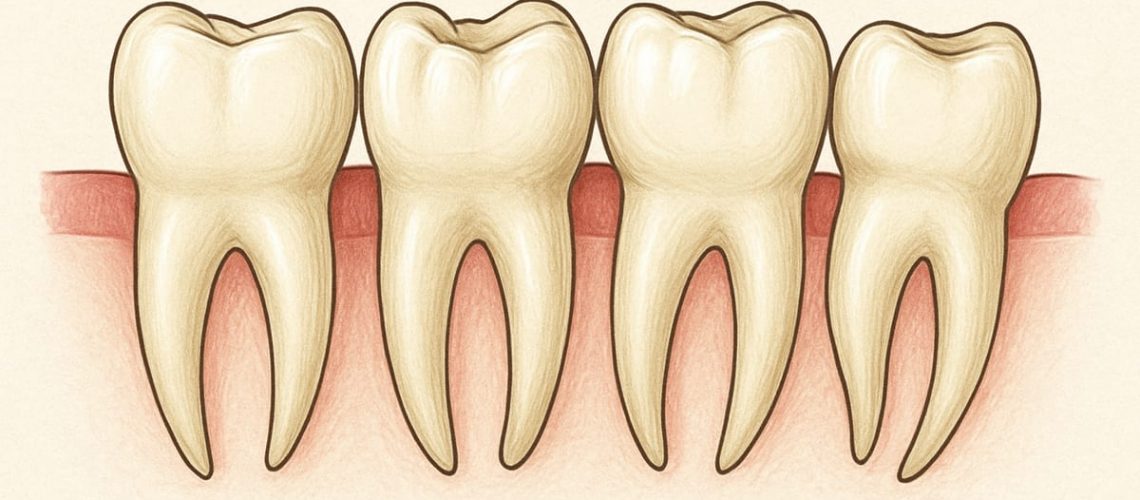
Wisdom Teeth, sometimes searched online as "Wisdim teeth", are the backmost molars, also called third molars. Most people get them in their late teens to mid‑20s. This post explains what wisdim teeth are, why they often cause trouble, the signs of problems, how removal works, recovery tips, and when to see a specialist for care.
What are wisdim teeth and why they matter
Wisdim teeth are the last set of molars to form. They often come in between about 17 and 25 years of age. For some people they grow in straight with enough room. For many others, the jaw is too small or the angle is wrong, so the teeth become impacted, partially erupted, or crowded.
Because wisdim teeth sit far back in the mouth, they are hard to clean and can cause pain, infection, or damage to nearby teeth. Knowing how they behave and watching symptoms can prevent bigger problems later.
Signs, symptoms, and risks of impacted or infected wisdim teeth
Common symptoms
- Pain around the back of the mouth or jaw
- Swelling of the gum or cheek near the tooth
- Bad taste or bad breath from trapped food or infection
- Stiff jaw or trouble opening wide
- Red, tender gums around the tooth
Health risks if left untreated
- Repeated infections (pericoronitis)
- Damage or decay in nearby second molars
- Cysts or less commonly tumors forming around the tooth
- Worsening gum disease in the area
- Changes in bite or crowding of other teeth
Removal, recovery, and what to expect
The extraction process
Not all wisdim teeth need removal. When removal is recommended, a general dentist can extract simple, erupted teeth. More complex cases—impacted teeth, roots near nerves, or surgical removal—are usually handled by an oral surgeon. Specialists use X‑rays or a CBCT scan to plan the procedure and avoid nerve injury.
Anesthesia options range from local numbing to nitrous oxide (laughing gas), oral sedation, or IV sedation for patients who want deeper sleep. During surgery, the dentist or surgeon numbs the area, may remove bone or cut the tooth into pieces, then closes the site with stitches if needed.
Recovery and home care
Recovery usually takes a few days to a week. Typical tips include:
- Use prescribed or over‑the‑counter pain medicine as directed.
- Expect swelling to peak 48–72 hours after surgery and then improve.
- Eat soft foods and avoid chewing near the site for several days.
- Avoid smoking, spitting, or using straws for about a week to prevent dry socket.
- Keep the area clean with gentle rinses after 24 hours and follow your provider’s instructions.
Call your provider right away for severe bleeding, high fever, worsening pain after a few days, or signs of numbness that don’t improve.
Alternatives and follow-up care (including tooth replacement)
Sometimes the best option is monitoring rather than immediate removal—especially if the wisdim tooth is healthy and not causing issues. Regular checkups and X‑rays can track changes.
If a tooth is removed and later you need a replacement for a missing tooth (not usually the wisdim spot but adjacent areas), dental implants are an option. For implant planning and placement, consult Dr. Halusic to discuss timing and suitability.
When to see a specialist and choosing the right care
See a specialist when wisdim teeth are impacted, sit close to a nerve, are causing repeated infections, or if you or your dentist expect a complicated extraction. Oral surgeons use advanced imaging (X‑rays and CBCT) and sedation options to manage complex cases safely.
For wisdom teeth or other oral surgery consults, Dr. McCloy can evaluate whether surgery is needed and recommend the best approach, including appropriate sedation and imaging.
If you have pain, swelling, or trouble opening your mouth, call for an evaluation. Have this information ready: age, symptoms and when they started, any recent infections, current medications, and any medical conditions or allergies. Early evaluation can prevent complications and make treatment easier.