
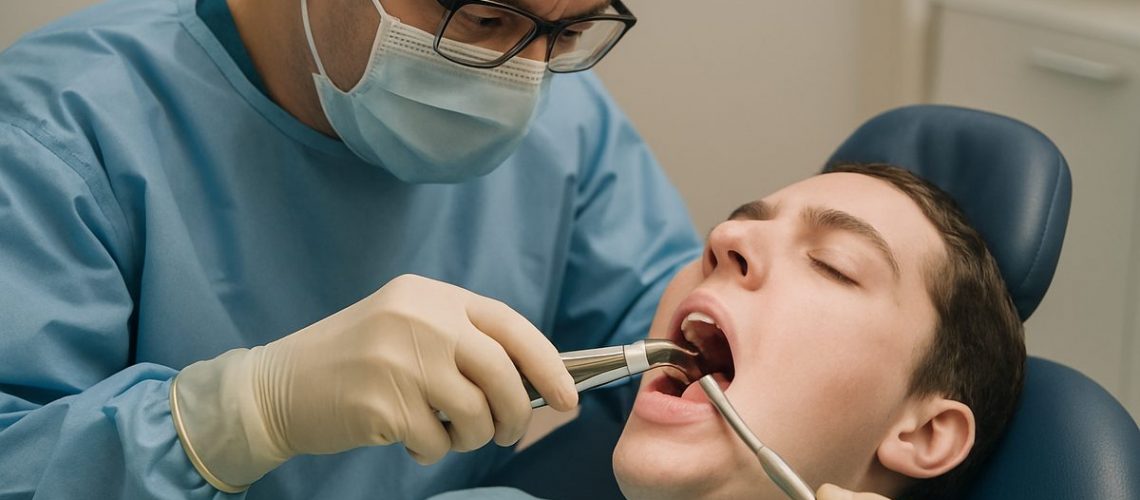
Answering the main question up front: how long does it take to have wisdom teeth removed depends on the number of teeth, their position, your health, and the type of anesthesia you choose. Wisdom teeth are the third molars that usually appear in late teens to early twenties. Some come in fully and cause no trouble; others are partially erupted or trapped (impacted) and need surgical removal. Dr. McCloy performs wisdom-teeth and oral surgery at New Smile Now and will review your imaging, anesthesia options, and recovery plan so you know what to expect.
This guide previews typical procedure times, anesthesia choices, the step-by-step flow of the appointment, and recovery milestones. If you want an estimate for your situation—whether asking how long does it take to have wisdom teeth removed Greensburg or near Monroeville—this overview will help you plan.
What Affects How Long Removal Takes
Number of teeth being removed
Removing a single erupted wisdom tooth can be quick. Removing all four takes longer because each site needs assessment, anesthesia, and any bone removal or suturing. A single tooth might add 15–30 minutes total to the visit; four extractions often mean a longer procedure and recovery window.
Position and impaction
Erupted teeth that are fully visible are the fastest to extract. Partially impacted teeth require soft-tissue work and sometimes small bone removal. Fully impacted teeth—especially those lying sideways or beneath bone—are the most complex and take the longest. Complexity directly increases operative time.
Patient health, age, and anatomy
Medical history (bleeding disorders, medications), dense bone, prior infections, or unusual tooth roots can lengthen the procedure. Younger patients often heal faster, while older patients or those with prior infections may need extra steps, imaging, or antibiotic coverage.
Typical Procedure Times You Can Expect
Operative times vary. These estimates are for the actual extraction steps and do not include anesthesia induction or recovery:
- Simple erupted wisdom tooth: about 10–20 minutes
- Impacted tooth (moderate complexity): about 20–40 minutes
- Multiple extractions or complex impactions: 45–90+ minutes
For local anesthesia alone, the overall appointment may be shorter. For patients searching how long does it take to have wisdom teeth removed Monroeville or Greensburg, expect added time when IV sedation or general anesthesia is used because of setup and recovery monitoring.
Anesthesia Options and Total Appointment Length
Options include:
- Local anesthesia: Numbs the area; fastest overall visit because no recovery monitoring is required.
- Nitrous oxide (laughing gas): Mild sedation with quick recovery; adds a short setup time.
- IV sedation or general anesthesia: Provides deep sedation or unconsciousness. These options require time for induction and post-op monitoring, so total appointment length increases by 30–90 minutes or more depending on recovery and medical review.
Dr. McCloy and the New Smile Now team follow strict anesthesia protocols and in-office monitoring to keep patients safe and comfortable. If you choose IV sedation, factor in pre-op checks and a recovery period before you can go home with a companion.
Step-by-Step: What Happens During the Appointment
Typical flow for a surgical removal:
- Check-in and consent review
- Imaging review (CBCT/X-ray) and final plan with your surgeon
- Anesthesia administration and time to take effect
- Extraction steps: incision (if needed), bone removal, tooth sectioning, tooth removal
- Suturing and placement of gauze
- Immediate recovery in the office under monitoring
Expect to hear suction and drilling noises, feel pressure but not sharp pain after anesthesia, and have a short recovery talk before you leave. Total on-site time varies with anesthesia choice and complexity.
Recovery Timeline: First 24–72 Hours and First Week
First 24–48 hours:
- Bleeding: Gentle oozing is normal; change gauze as directed.
- Pain and swelling: Pain peaks within 24 hours and swelling often peaks around 48 hours. Use prescribed or over-the-counter pain meds and cold packs.
- Diet: Stick to soft foods and liquids for the first 24–72 hours.
Days 3–7:
- Swelling and bruising should start to improve after 48–72 hours.
- Stitches may dissolve or be removed around 5–7 days if non-dissolvable were used.
- Most normal activities can resume within a few days, but avoid heavy lifting or intense exercise for at least a week unless cleared by Dr. McCloy.
Follow-up appointments are typically scheduled to check healing and remove any sutures if needed. If you had IV sedation, plan for a longer initial recovery at the office.
When Extractions Lead To Replacement Options
If a removed tooth or several teeth will need long-term replacement, New Smile Now offers implant solutions and full-arch options. Dr. Halusic leads implant planning and can discuss timing for implants after healing, CT-guided planning, and All-on-4 or implant-supported dentures when appropriate.
Signs of Complications — When To Call Your Surgeon
Contact the office right away if you have:
- Excessive bleeding that soaks through gauze after an hour
- Severe or worsening pain not controlled by medication
- High fever or chills
- Persistent numbness or tingling that doesn't improve
- Foul taste or pus indicating infection
Call the New Smile Now emergency line for prompt evaluation; the staff will advise whether to come in for an exam, start antibiotics, or go to urgent care.
Closing: Quick FAQ and Light Practice Info
Will I need someone to drive me? If you have IV sedation or general anesthesia, yes—plan for a responsible adult to drive you home. For local anesthesia alone, you may drive if you feel comfortable.
Can I work the next day? Many patients can return to desk work in 24–48 hours if their pain is controlled and they feel up to it. Manual labor should be postponed for several days.
New Smile Now serves Greensburg and Monroeville with a focus on safe, comfortable oral surgery. Dr. McCloy leads wisdom-teeth and oral surgery care; Dr. Halusic manages implant planning when replacement is needed. To get a personalized timeline and plan, schedule a consultation at New Smile Now—your surgeon will review imaging, anesthesia choices, and the expected procedure and recovery time.