
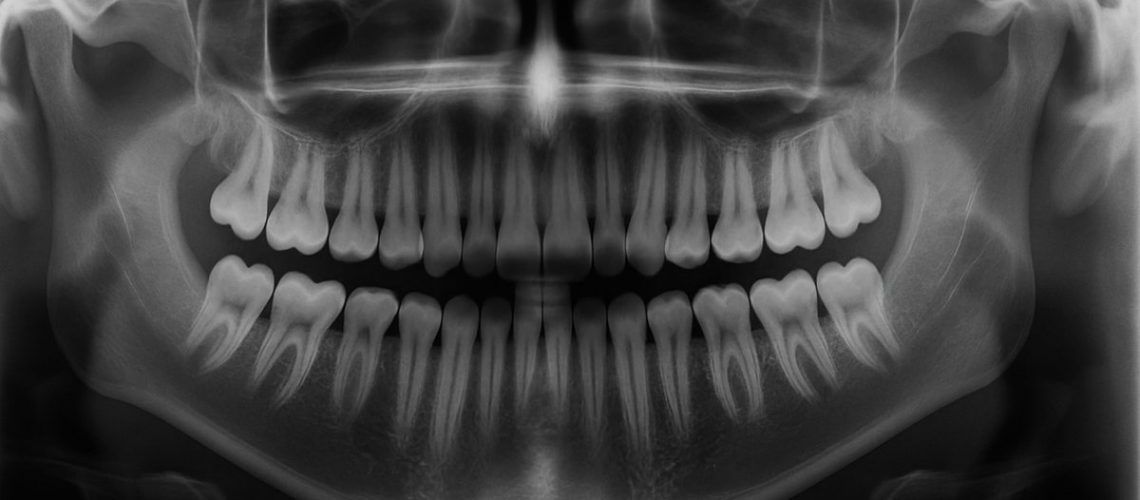
Many people ask, "how many teeth do we have without wisdom teeth in Greensburg?" The short, simple answer is useful: most adults have 28 teeth if their wisdom teeth are removed or never come in. Below you’ll find a clear count, common differences, why numbers vary, and when to see a specialist about wisdom teeth or replacing missing teeth.
How many teeth do we have without wisdom teeth?
Most adults have 28 permanent teeth when wisdom teeth (third molars) are absent. That number can change because of genetics, extra teeth, or teeth removed for health or orthodontic reasons. If you’re asking how many teeth do we have without wisdom teeth in Greensburg, expect 28 as the typical count but know individual cases differ.
Standard adult tooth count with and without wisdom teeth
Full breakdown by tooth type
Adults normally have: 8 incisors (4 top, 4 bottom), 4 canines, 8 premolars, and 8 molars—totaling 28 without wisdom teeth. Add four wisdom teeth (one in each corner) and the total becomes 32. Each tooth type has a specific role: incisors cut, canines tear, premolars crush, and molars grind.
When counting baby teeth vs. adult teeth
Children have 20 primary (baby) teeth. As permanent teeth erupt, baby teeth are lost and replaced. The adult set is 28–32 depending on wisdom teeth. Timing and sequence vary, so counts change across childhood and into the early 20s.
Why some people have fewer than 28 teeth
Congenitally missing teeth (agenesis)
Some people are born without certain permanent teeth—commonly second premolars or upper lateral incisors. Genetics often explain these missing teeth, which reduce the total below 28 even without wisdom teeth.
Extra teeth or retained baby teeth
Supernumerary (extra) teeth can increase counts, while retained baby teeth that never fall out can make the adult count seem different. Both situations affect spacing and may need treatment.
Extractions and orthodontic reasons
Teeth removed for cavities, trauma, or orthodontic crowding lower the number. Many orthodontic plans intentionally remove teeth to create space, changing the final tooth count.
Wisdom teeth: removal, impaction, and how they affect your tooth count
Wisdom teeth often become impacted—stuck under the gum or against other teeth—causing pain, infection, or crowding. If removed, your permanent count is reduced by the number of third molars taken out. Most removals happen in the late teens to early 20s when dentists or oral surgeons see signs of trouble.
When to see an oral surgeon about wisdom teeth
See an oral surgeon if you have pain, swelling, recurrent infections, or X-ray signs of impaction. Dr. McCloy evaluates wisdom teeth, discusses risks, and recommends removal when needed to protect overall oral health.
Replacing missing teeth: implants, bridges, and dentures
Missing teeth can be replaced to restore function and prevent bone loss. Options include single-tooth implants, bridges, and full or partial dentures. Choosing the right solution depends on jaw health, number of missing teeth, and patient goals.
When implants are a good choice
Dental implants preserve bone and feel like natural teeth. For single or full-arch cases, implants often provide the best long-term result. Dr. Halusic offers implant planning and placement for both single-tooth and complex full-arch restorations.
All-on-4 and implant-supported dentures
All-on-4 and implant-supported dentures anchor prosthetics to a few implants for a stable, comfortable bite. These are excellent when many teeth are missing or failing.
When to see a specialist and what to expect at consult
If you’re unsure about tooth count, wisdom teeth, or replacements, schedule a consult. New Smile Now, Home of The Facial Surgery Center, serves Greensburg and Monroeville with CT-guided planning, anesthesia options, and a team experienced in implants and oral surgery. Expect imaging, a review of options, and a clear treatment plan.
Quick FAQ
How many teeth do we have without wisdom teeth?
Typically 28.
Should I replace missing teeth?
If missing teeth affect chewing, appearance, or bone health, replacement—often with implants—is recommended. If you have specific questions about how many teeth you should have, wisdom teeth pain, or implant options, schedule an evaluation with New Smile Now for personalized advice and CT-guided planning.